

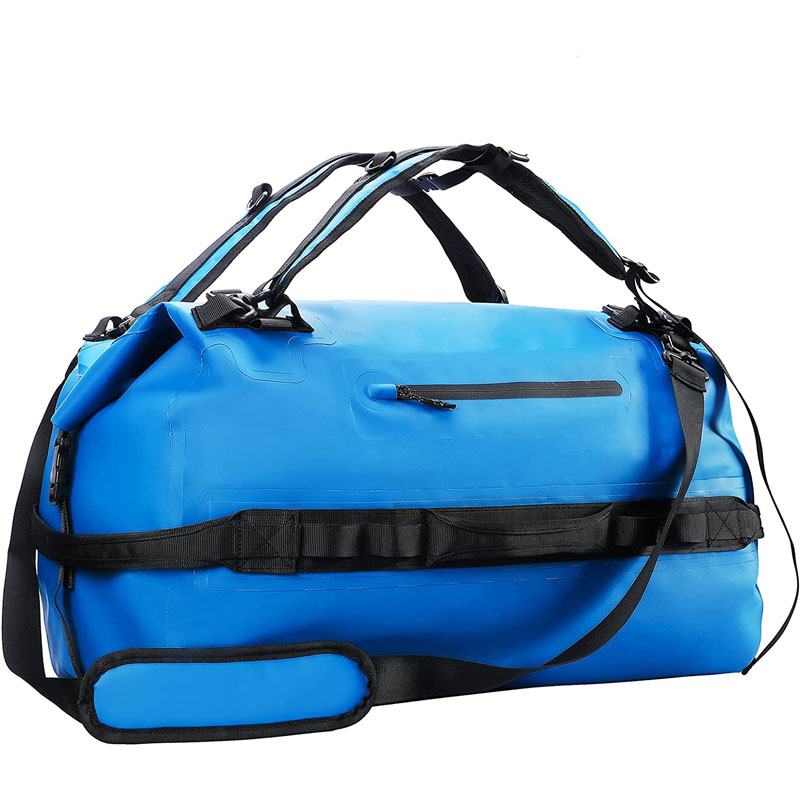
For outdoor enthusiasts and adventurers, keeping gear dry and safe is a top priority—and a high-quality dry bag is the most reliable tool to achieve this. But what exactly is a dry bag? Simply put, a dry bag is a durable, waterproof container crafted to seal out moisture, whether from rain, splashes, or even brief submersion, ensuring your belongings stay intact in wet environments. Unlike regular backpacks or storage bags, a dry bag uses specialized materials and sealing mechanisms to create an airtight, watertight barrier, making it indispensable for any activity where water is a concern.
At Harmonybag, we specialize in manufacturing premium dry bags that blend durability, functionality, and versatility—perfect for all outdoor scenarios. Our dry bags are made from high-grade waterproof materials like PVC, PU-coated nylon, and TPU, paired with reinforced RF-welded seams and secure roll-top closures to maximize water resistance. Whether you’re heading out for a day hike, a kayaking trip, or a camping adventure, a well-designed dry bag is a must-have accessory, and understanding its uses, sizes, and applications will help you make the best choice.
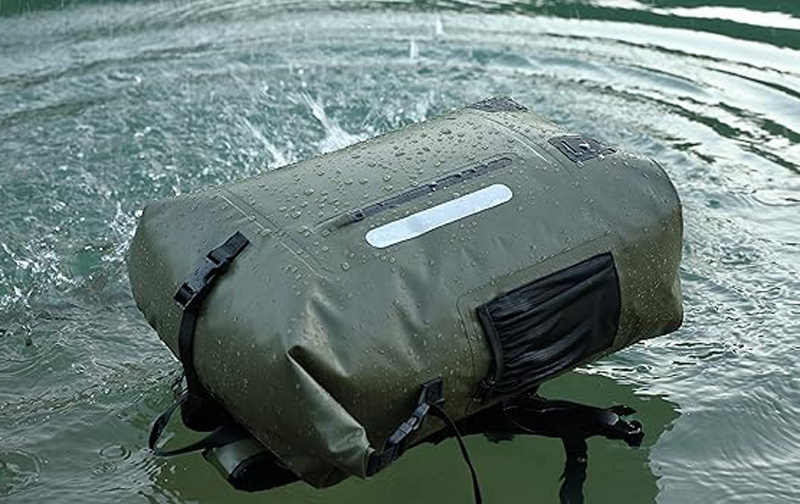
Let’s start with the core uses of a dry bag. The primary purpose of any dry bag is to protect your gear from moisture, but its versatility extends far beyond that. For water sports enthusiasts, a waterproof dry bag is essential for kayaking, canoeing, paddleboarding, and rafting—keeping phones, cameras, extra clothes, and snacks dry even if the bag gets splashed or tipped over. Hikers and campers rely on dry bags to safeguard sleeping bags, tents, food supplies, and electronics from rain, dew, or muddy conditions. Even for everyday use, a small dry bag can protect valuables like wallets, keys, and phones during rainy commutes or beach trips.
Another key use of a dry bag is organization. Many outdoor adventurers use multiple dry bags of different sizes to sort gear—smaller bags for personal items, medium bags for clothing, and larger bags for bulkier equipment like tents or sleeping bags. This not only keeps gear dry but also makes it easier to find what you need without rummaging through a messy pack. Additionally, most dry bags are buoyant, meaning they will float if accidentally dropped in water—adding an extra layer of protection for your belongings.
When it comes to dry bag sizes, there’s no one-size-fits-all solution—choosing the right size depends on your activity and the amount of gear you need to carry. Dry bag sizes typically range from 2L to 100L, with common options tailored to specific uses. Small dry bags (2L–5L) are ideal for personal items like phones, keys, wallets, and small cameras—perfect for short hikes, beach days, or as a secondary bag inside a larger backpack. Medium dry bags (10L–20L) are great for day trips, holding a change of clothes, a first-aid kit, food, and a tablet or laptop.
Large dry bags (30L–50L) are designed for overnight or multi-day camping and kayaking trips, capable of storing sleeping bags, tents, cooking gear, and multiple sets of clothing. Extra-large dry bags (60L+) are ideal for long expeditions, group trips, or storing bulky gear like camping chairs or wetsuits. At Harmonybag, we offer custom dry bag sizes to meet your specific needs, whether you’re a casual outdoor lover or a professional adventurer.
Now, let’s explore the outdoor applications of a dry bag in more detail. Water sports are the most common use case—kayakers, canoeists, and paddleboarders often use dry bags to store their essentials, as even a small splash can ruin electronics or clothing. For fishing trips, a dry bag keeps tackle, phones, and snacks dry, even when casting near the water or dealing with rainy weather. Hikers and backpackers use dry bags to protect their gear from sudden rain showers or damp ground, ensuring they stay warm and comfortable throughout their trip.
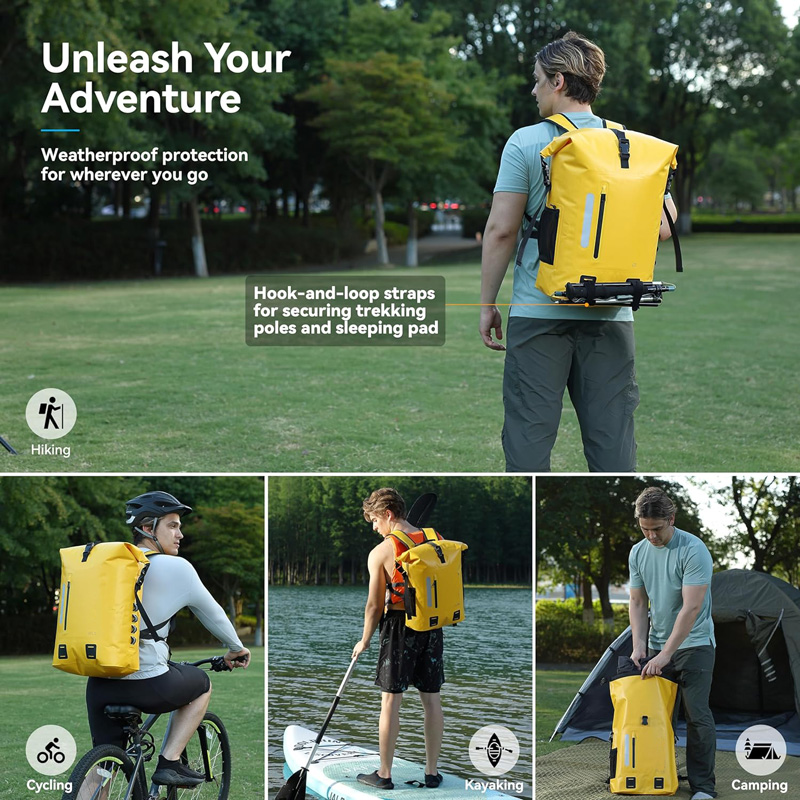
Camping enthusiasts rely on dry bags to keep sleeping bags and tents dry, as moisture can lead to mold, mildew, and discomfort. Beachgoers use small dry bags to protect valuables from sand and saltwater, while travelers use dry bags to keep luggage dry during rainy transit or boat rides. Even for motorbike or bicycle commuters, a compact dry bag can protect electronics and documents from rain or accidental splashes.
Choosing the right dry bag also means considering the material and design. PVC dry bags are durable and affordable, making them great for heavy-duty use. PU-coated nylon dry bags are lightweight and flexible, ideal for hiking and backpacking. TPU dry bags offer the best waterproof performance and are eco-friendly, perfect for those who prioritize sustainability. All Harmonybag dry bags feature secure roll-top closures—simply roll the top down 3–4 times and clip it shut to create a watertight seal.
In conclusion, a dry bag is an essential accessory for anyone who loves outdoor activities. Its ability to keep gear dry, organized, and safe makes it a must-have for kayaking, hiking, camping, fishing, and more. By understanding the different uses, sizes, and applications of a dry bag, you can choose the perfect one for your next adventure. At Harmonybag , we’re committed to manufacturing high-quality dry bags that meet the needs of outdoor enthusiasts worldwide—combining functionality, durability, and style to enhance your outdoor experience.
Harmony Bags has been engaged in bag manufacturing for 20 years. We are a professional company in producing various kinds of bags,such as cosmetic & toiletry bags, backpacks, travel bags, waterproof bags and waist bags. Our monthly production capacity is 500,000 bags. We can guarantee reliable quality, on-time delivery and good service.
